
About the desk behind this comparison
10 operators, 4 columns, and 1 rule: a figure reaches this site only with the clause number it came from. Where the clause was silent, the cell says so.
The rule every figure has to pass
Each number on this site was copied out of something the operator publishes itself: its terms, its cashier page, or an entry in the register kept by the authority that granted its registration. The clause number travels with the figure so that a reader can open the document and look.
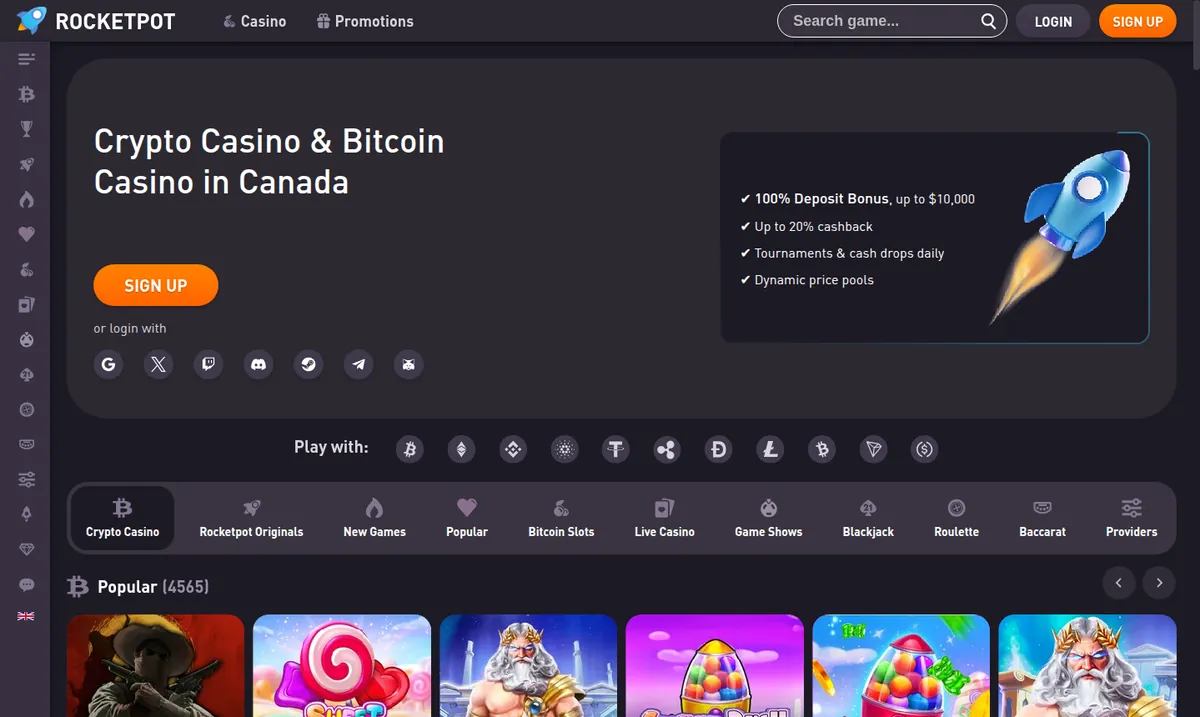
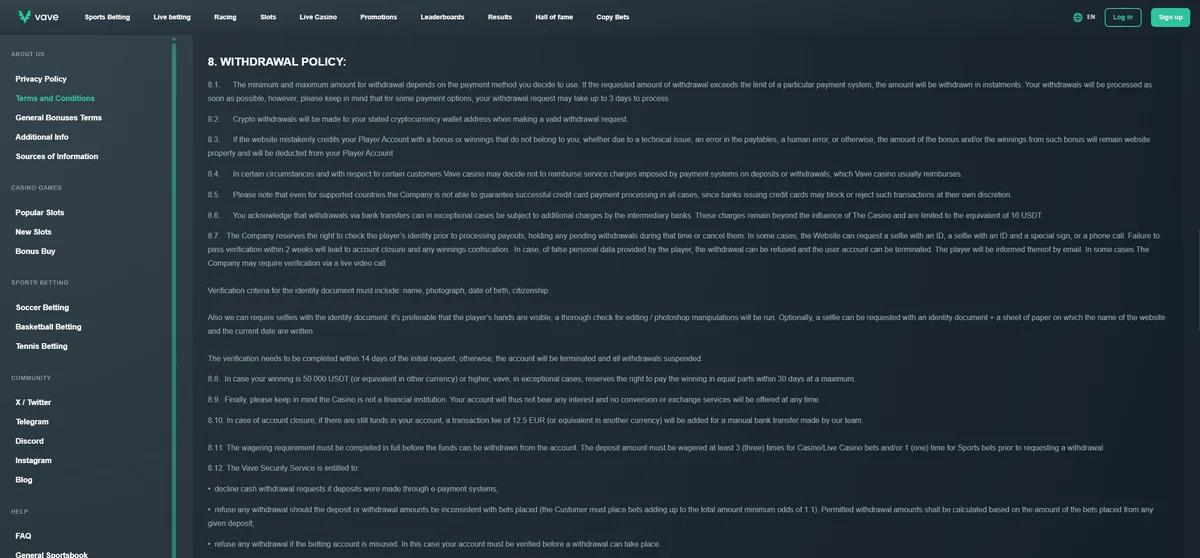
Rocketpot’s US$2,500 verification threshold carries clause 11.4. Wild.io’s weekly ceiling of 100,000 USD carries clause 9.6. Vave’s three-day processing window carries clause 8.1. A figure that arrives without one stays out of the table.
Ten operators, four columns.
Roughly half the cells in them are blank, and that is the finding rather than a gap in the work: the document was pulled up, the relevant clause hunted down, and the number it should have held simply was not there on the operator’s own pages. A blank cell and a low figure are therefore different entries in the crypto casino Singapore table, and only one of them says anything about the operator.
How the figures are produced
- Registration numbers are searched in the issuing authority’s own register rather than read off a badge in an operator’s footer. A link that lands back on the operator’s own website counts as unverified, and it earns zero points.
- Verification thresholds and withdrawal ceilings are quoted from the operator’s terms with the clause attached. Three operators here publish the first; four publish the second.
- Amounts keep the currency they were written in. A ceiling drafted in US dollars or euros is enforced in US dollars or euros, so nothing on this site converts one into S$ at a rate the operator never agreed to.
- A field an operator declines to publish is written as unpublished, which is a different statement from zero. Silence stays a gap rather than a point in the operator’s favour.
- Screenshots come from a live browser in the Netherlands and reach the page unretouched. Two captures for this site returned refusal screens and were discarded rather than published — a refusal seen from Amsterdam describes the Netherlands, not what a reader in Singapore would see.
The limits of a desk that only reads
Reading has limits, and they are worth naming out loud.
Nobody on this desk has deposited money with any operator in the table. Payout timing is therefore reported as the operator states it rather than as measured, and the one published processing window on the list is presented as a written promise rather than as a tested result.
Acceptance of Singapore players is taken from each operator’s own restricted-country list where that list could be read, and marked unconfirmed wherever that reading failed. Nine of the ten reached that standard; the rest of the caution stays on the page.
Two things stay off this site entirely: invented play sessions, and instructions for reaching an operator that has blocked a jurisdiction, this one included. The law page explains why the second matters more in Singapore than in most markets.
Corrections
Operators change clauses, and a figure read in August can be wrong by October. If something here is wrong, or a clause has moved since it was read, write to [email protected] with the page and the clause number.
A correction gets made or explained. Either way it stays on the record.